
Best Methods to Track Shared Couple Expenses After Retirement
6
Shared expense tracking for retired couples is a structured routine of monitoring joint household outflows to ensure spending visibility, prevent duplicate payments, and maintain balance on fixed monthly payments.
When daily career routines transition into retirement, household payment patterns change significantly for couples living on fixed monthly deposits. Managing joint costs requires structured visibility to prevent double payments and maintain spending alignment. This analysis breaks down shared expense tracking methods and clarifies common misunderstandings in joint household cash monitoring.
The Structure of Joint Household Cash Tracking
Managing joint outflows on fixed monthly payouts requires moving away from informal payment splitting. A structured system categorizes shared domestic bills such as property taxes, utilities, shared groceries, and vehicle operations separately from personal expenditure.
Couples typically choose between two primary operational structures: complete joint central pooling or a split model combining shared joint accounts with separate individual personal accounts. Understanding the operational mechanics of each method prevents confusion over who pays which bills each month.
Debunking the Misconception of Equal Dollar Splitting
A widespread misconception among retired couples is that joint expenses must always be split strictly 50-50 in dollar terms, regardless of individual pension payout amounts. When one partner receives a higher Canada Pension Plan or private annuity payment, equal dollar contribution can create disproportionate financial pressure on the lower-earning partner.
A more sustainable framework uses proportional distribution based on each partner contribution percentage to total household fixed cash inflows. This approach balances purchasing power and ensures both partners retain personal spending autonomy for individual leisure.
Method 1 Centralized Joint Account Management
Under the centralized model, both partners direct all monthly pension deposits into a single shared account. All fixed obligations, groceries, health expenses, and joint leisure activities are paid directly from this primary pool.
While this system offers complete transparency and simple monthly reconciliation, it requires strict agreement on discretionary spending limits. Without clear boundaries on individual personal purchases, joint account tracking can lead to friction over small day-to-day expenditures.

Method 2 Proportional Contributions with Separate Personal Accounts
The proportional hybrid method directs a calculated percentage of each partner monthly fixed deposit into a shared joint account used exclusively for household bills. The remaining balance stays in individual accounts for personal discretionary spending.
This framework maintains clear boundaries for shared living costs while preserving individual financial freedom. It eliminates the need to justify minor personal expenses, making daily spending tracking straightforward for both spouses.
| Tracking Method | Setup Complexity | Best Suited For |
|---|---|---|
| Centralized Joint Account | Low | Couples with identical spending habits and unified outflow goals |
| Proportional Hybrid Model | Medium | Couples with unequal pension payouts seeking personal spending autonomy |
| Manual Receipt Log | High | Couples preferring traditional paper tracking for non-recurring expenses |
Establishing a Monthly Fifteen Minute Audit Routine
Regardless of the chosen structure, setting up a recurring 15-minute monthly review ensures joint expenditure remains on track. During this review, compare actual account statements against monthly targets to spot unexpected fee changes, recurring trial subscriptions, or double charges.
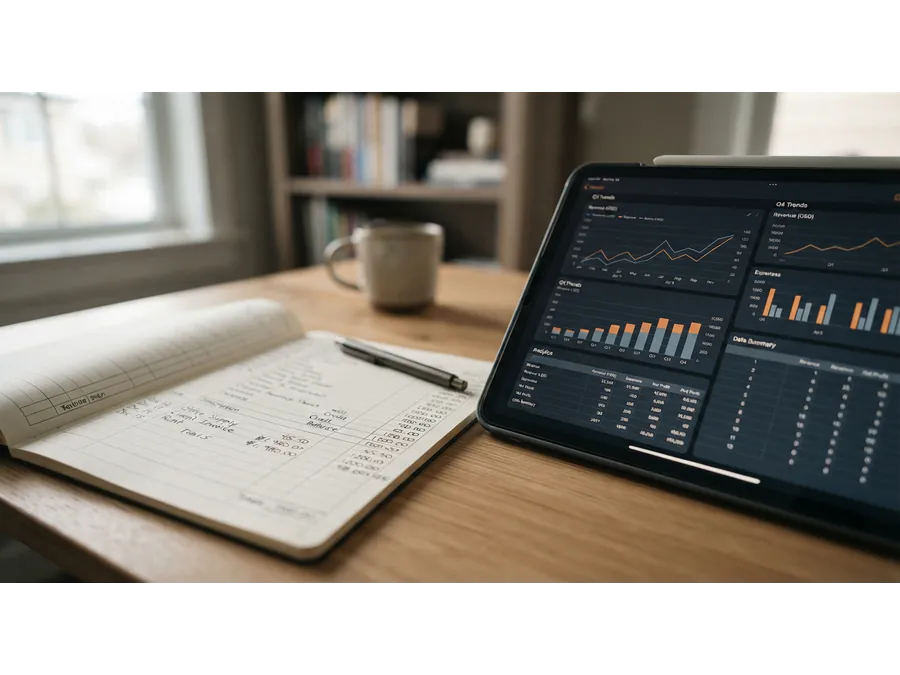
Using digital expense tracking software simplifies this process by automatically aggregating transactions into clear category reports. This regular operational review converts financial oversight into a calm, predictable administrative routine.
Selecting a clear tracking method for shared post-career costs creates stability and reduces friction. Whether utilizing a centralized pool or a proportional hybrid structure, establishing a quick monthly audit routine provides total expenditure visibility for retired couples in Canada.
FAQ
How do retired couples divide shared household bills fairly?
Couples can divide expenses proportionally according to each partner percentage contribution to total monthly net pension deposits, ensuring balanced personal cash reserves.
Does using expense tracking software replace professional financial advice?
No. The service helps track and view expenses. This is not financial advice or an investment recommendation.
What is the fastest way to detect duplicate utility payments or recurring charges?
Conducting a 15-minute monthly audit of joint bank account statements using regular expense tracking software allows fast identification of repeated debits.